 Member login
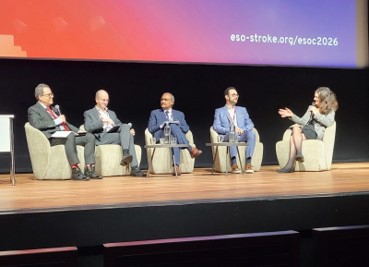
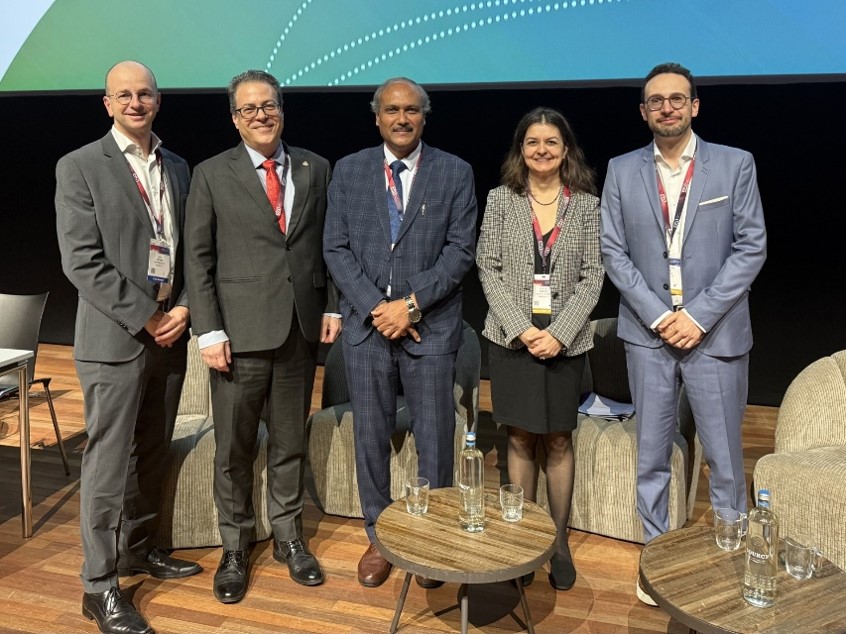
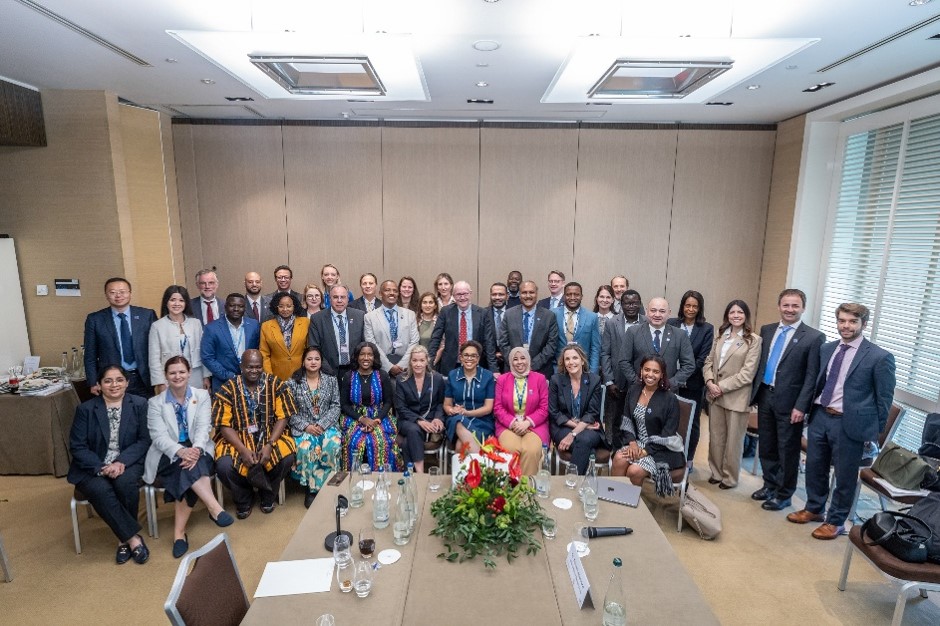
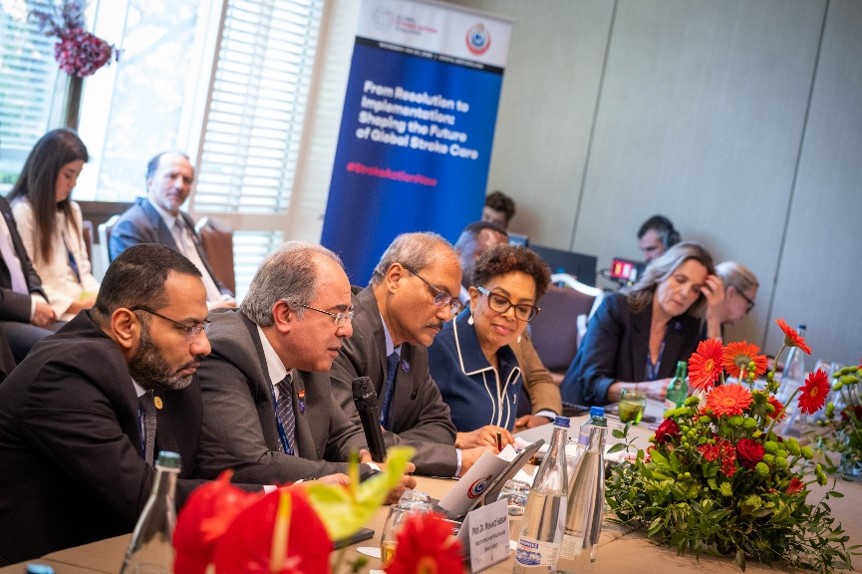
May 2026 has been a historic period for global stroke advocacy. The WSO/ESO/AHA/ASA joint session at ESOC 2026 in Maastricht was highly productive, with panel discussions focusing on the implementation and prevention of stroke care worldwide.
Reflections from hashtag#WHA79: A Defining Moment for Stroke Care: First ever Resolution of Stroke adopted by WHA
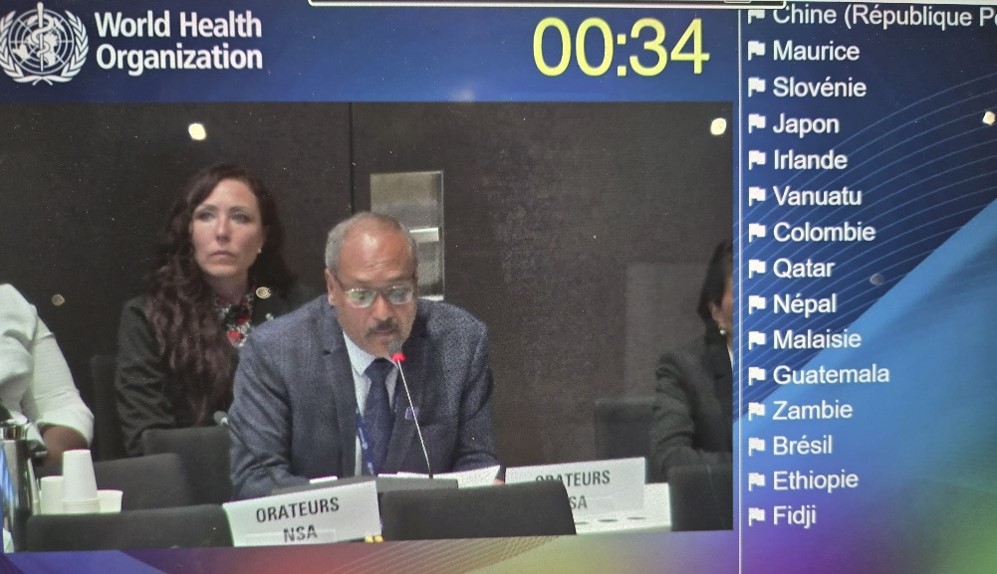
On May 22nd the World Health Assembly has adopted the first-ever resolution dedicated to stroke, marking a major milestone that could transform the global response to one of the world’s leading killers.
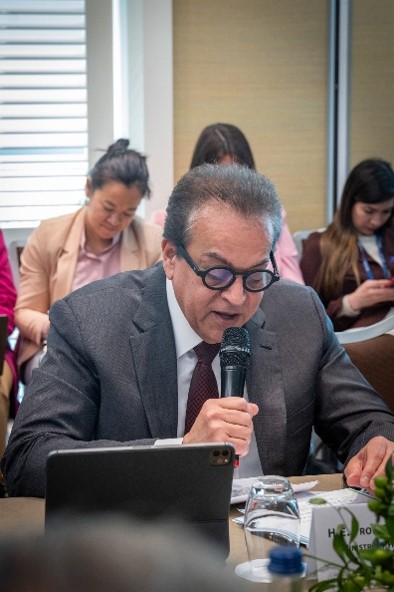
Reading the statement in WHA in agenda item 12.4 under universal health coverage about the stroke resolution was a personally touching moment for me as President of WSO.
Dr. Khaled Abdel Ghaffar, Minister of Health and Population of Egypt, who submitted the resolution to the Assembly, together with Chile, Georgia, Palestine, Paraguay and Tunisia. We recognize the support by Prof Mohammed Fawzi, MOH, Egypt, Prof Mohammed Hassany MOH, Egypt.
For me, this felt like a long-overdue acknowledgement of stroke—not just as a clinical issue, but as a global health systems priority.
Recognizing leadership and collaboration
This landmark resolution would not have been possible without strong global leadership.
The World Health Organization (WHO) played a central role in bringing stroke to the forefront of the global health agenda.
The Ministry of Health and Population, Egypt, together with co-sponsoring Member States, was instrumental in proposing the resolution.
The World Stroke Organization (WSO) and the Global Stroke Action Coalition (GSAC) Members partners were pivotal in advocating for this agenda through constituency statements and global coalition-building.
Why this resolution matters globally
From my perspective, this resolution is more than symbolic—it sets the stage for real change:
Elevates stroke within the global NCD and UHC agenda
Pushes countries to strengthen health systems and workforce capacity
Calls for better data, surveillance, and accountability
Prioritizes equity, especially for low- and middle-income countries
Promotes a continuum-of-care model that can transform outcomes
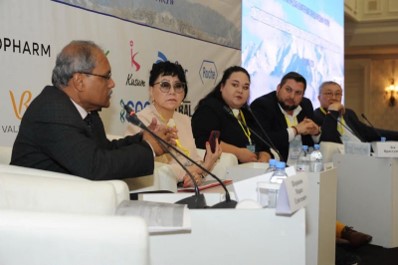
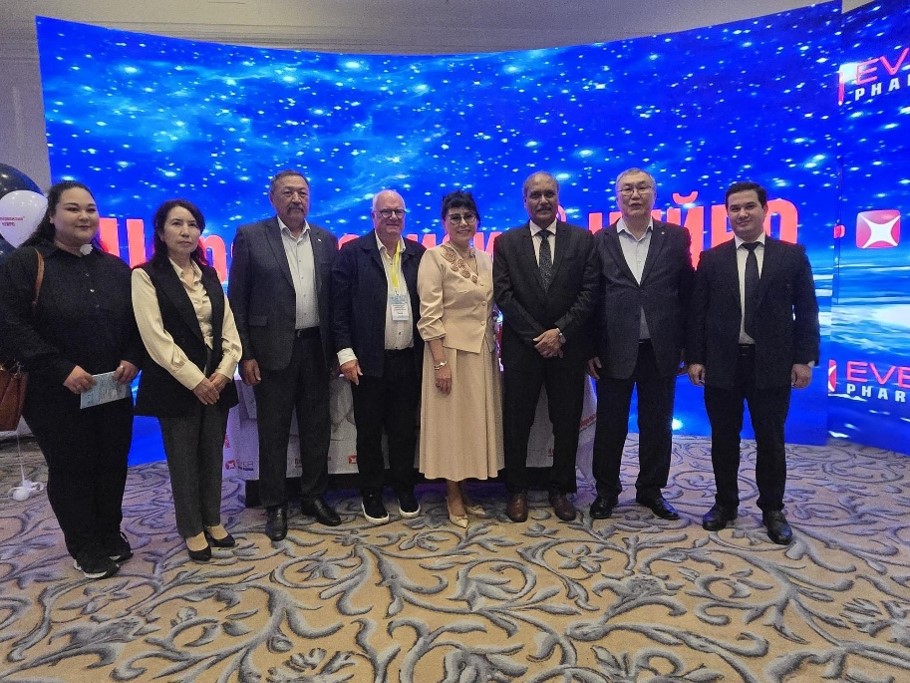
World Stroke Organization Leads Landmark Stroke Symposium in Central Asia
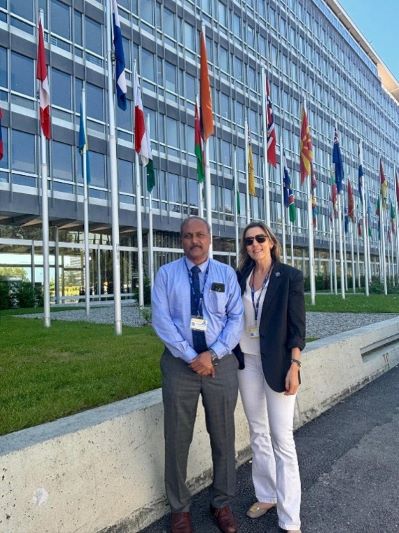
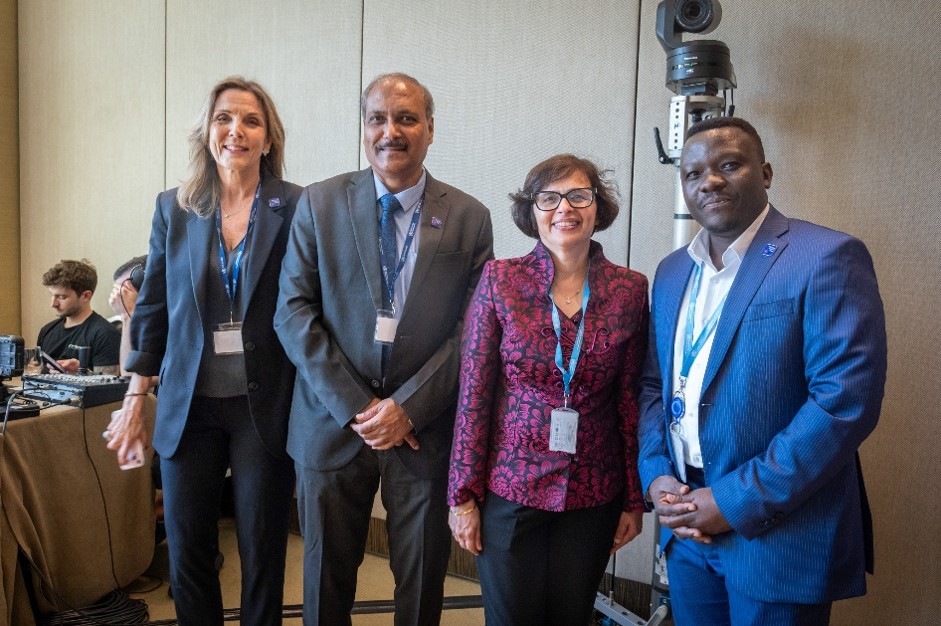
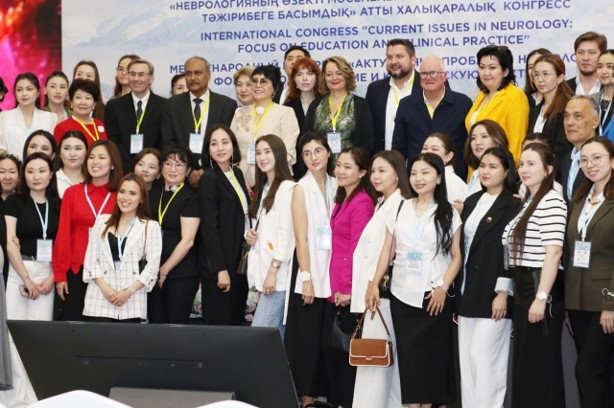
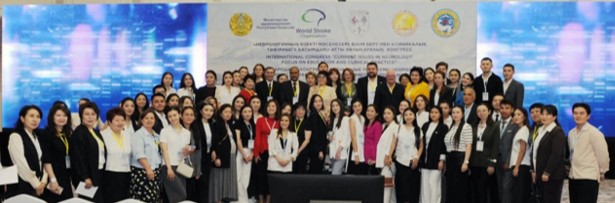
I was honored to participate in the International Congress on Current Issues in Neurology – Focus on Education and Clinical Practice, held in Almaty on 29–30 May.
A key highlight of the congress was the Stroke Symposium organized by the World Stroke Organization (WSO). It was a privilege to be part of an outstanding faculty alongside Prof. Craig Anderson (President-Elect), Prof. Valeria Caso (Treasurer), Prof. Gustavo Saposnik (Vice President), and Dr. Raj Sreenivas Parthasarathy.
The congress was excellently organized by Prof. Erkyn Nurguzhaev, President of the Association of Neurologists of Kazakhstan, and Prof. Saule Turuspekova, Chief Neurologist of the Health Ministry, with valuable support from Mr Axel, Mr Nikita Ivanov, Ms Dina, Ever Pharma and Dr Lev Pristupluk, MD Angels Initiative for Eastern Europe and Central Asia.
With around 300 delegates representing Central Asian countries—including Kazakhstan, Kyrgyzstan, Uzbekistan, Turkmenistan, Azerbaijan, and Russia—the meeting provided a vibrant platform for knowledge exchange.
The Stroke Symposium covered critical and contemporary topics such as:
Advances in reperfusion therapies
Stroke unit management
Intracerebral hemorrhage
Cerebral venous thrombosis
Stroke prevention and rehabilitation
I had the opportunity to deliver a plenary lecture on WSO strategies to reduce the global burden of stroke. We look forward to strengthening collaboration with Central Asian stroke centers to standardize and elevate stroke care through the rollout of the WSO Stroke Center Certification Program.
Grateful for the enriching discussions, collaborations, and the shared commitment to improving stroke care globally.
- Calling All Future Stroke Leaders
- Words from the President on stroke care during the COVID19 pandemic
- World Stroke Academy content is NOW available free online to all
- Global Stroke Leaders Launch Radical Prevention Strategy
- The Global Impact of COVID-19 on Stroke - the latest results from the survey from Prof. Marc Fischer, WSO President-Elect
- Reduced rates for your attendance at ESO-WSO 2020
- Get ready to Join the MoveMent!
- Global Stroke Leaders Launch Radical Prevention Strategy
- World Stroke Day 2020 News Release
- No Time for Silence on Stroke Prevention
- WSO Brain and Heart Week
- The latest World Stroke Academy news
- Accuracy in BP Measurement and Effective Hypertension Control Promoted on World Hypertension Day
- The 74th World Health Assembly - 24-31 May
- The state of stroke services across the globe: report of World Stroke Organization
- WHO releases priority list of medical devices and interventions for stroke
- World Stroke Day Campaign website and toolkit LIVE
- WSO welcomes WHO recommendations on management of hypertension
- The World Stroke Academy newly branded website is live!
- 5 ways you can support the #Precioustime campaign on World Stroke Day
- GCCH Position Paper “Preventing the next pandemic: The case for investing in circulatory health”
- Global survey reveals only 35% hospitals worldwide provide life-saving stroke treatment
- How to save $1 trillion
- WSO Global Stroke Fact Sheet 2022
- World Stroke Campaign Award Shortlist Announced
- ICD-11 is now officially in effect
- World Stroke Organization’s statement on Ukraine
- WSO Annual Report for 2021
- Get Ready for World Stroke Day 2022 - The Power of Saving #Precioustime
- WHO Strategic Technical Advisory Group meeting on Global Noncommunicable diseases action plan 2013-2030
- WSO Calls for changes in primary prevention guidelines for cardiovascular disease and stroke
- WSO Future Stroke Leaders Programme - Cohort 2 Announcement
- Building Momentum around Implementation of Quality Stroke Care – update from the WSO Rede Brasil AVC Global Stroke Alliance Meeting, Sao Paulo
- World Stroke Day 2022 Raising public awareness of stroke signs and the importance of #Precioustime
- Countdown to World Stroke Day- key actions for members and partners!
- WSO is announcing the results from the Officers elections 2022
- World Stroke Organization Tackle Gaps in Access to Quality Stroke Care
- WSC 2022: One Voice for Stroke
- World Stroke Day #Precioustime Campaign Evaluation
- In memoriam of Dr. Ralph L. Sacco
- WHO Executive Board (EB 152)
- RES-Q + Using digitization and artificial intelligence to improve healthcare
- Be the storyteller of 2023. Submit your abstract at WSC 2023!
- Summary of systematic review and synthesis of global stroke guidelines on behalf of WSO
- World Health Assembly (WHA76)
- World Stroke Day 2023 - Together we are #GreaterThan Stroke
- THE ROAD TO UHC: WHY INTEGRATION OF CIRCULATORY HEALTH INTERVENTIONS IN PRIMARY CARE IS ESSENTIAL
- Global Declaration on Stroke
- NEW World Stroke Campaign Website goes LIVE!
- Global Declaration on Stroke Commitment Launch: New Delhi, India – September 8th, 2023
- TOGETHER WE CAN BE #GreaterThan STROKE!
- The Global Stroke Community Reunited for the WSC 2023
- Join the Future Stroke Leaders Success Journey – Cohort 3 Applications Open
- The RES-Q platform has officially launched!
- New Trial Expands Window For Stroke Thrombectomy With Simpler Imaging
- Now available: WSA Big Data & Stoke e-Learning module
- World Stroke Day 2024
- World Stroke Campaign Award 2023 Winners
- United in Action to Transform Stroke Care
- WSC 2024 Early Bird Registration Deadline Approaching!
- WSO and SingHealth Sign MoU to Enhance Regional Stroke Management and Care in Collaboration with Angels Initiative
- Stroke Action Now - join the WSO global advocacy coalition
- Time for a Revolution in Stroke Care - Acute Care Policy Brief Launch
- Prioritizing access to quality acute stroke care - the time to act is now!
- World Stroke Organization Launches Global Coalition to Drive Action on Stroke Care
- Highlights from the Global Stroke Alliance meeting in Bogota, Colombia – 20-22 November 2024
- United in Action for #StrokeActionNow - Update from the Global Stroke Action Coalition
- The Global Stroke Action Coalition issues an urgent call to action
- World Stroke Organization at the UN High-Level Meeting on NCDs
- A Turning Point for Stroke
- Homepage
- Vision and strategy
- Board and Executive Committee
- Privacy policy
- Terms of use
- SEO sitemap
- Global Stroke Corner
- Words from the President: LOOKING AHEAD
- WSO Publishes Global Stroke Fact Sheet
- WSO Call for Editor-in-Chief of IJS
- WSO Membership - Call for Dues 2019
- ESO-WSO Conference 2020
- XXII Ibero-American Stroke Organization Congress
- Asia Pacific Stroke Conference 2019
- European Master in Stroke Medicine - Feedback from WSO scholarships recipients
- Philippine Nationwide Stroke Training, 2018
- Advances in neuroscience & new strategies for preventing & treating brain diseases, November 2018, Moscow
- International conference on essentials of stroke care, November 2018, India
- Education Committee Update
- SSO Committee March 2019
- Stroke Guidelines & Quality Committee Update
- WSO Research Committee Update
- WSO and Global Policy – Key Events in 2019
- Report of WHO Global Forum on Medical Devices
- Report from the WHO’s Executive Board in Geneva January 24th to February 1st, 2019
- WSO President and Romanian Health Minister sign a Memorandum of Understanding
- First Stroke Summer School in Latin America
- Stroke Thrombolysis Master Class-2018: A Report
- Welcome to New Members
- Heart and Stroke Foundation of Canada Publishes a New Report
Our partners and sponsors
 Platinum Plus
 Platinum
 Bronze
 Gold
Gold
 Silver
 Silver
 Silver
 Corporate Supporters
 Bronze
 Silver
 Gold
Gold