 Member login
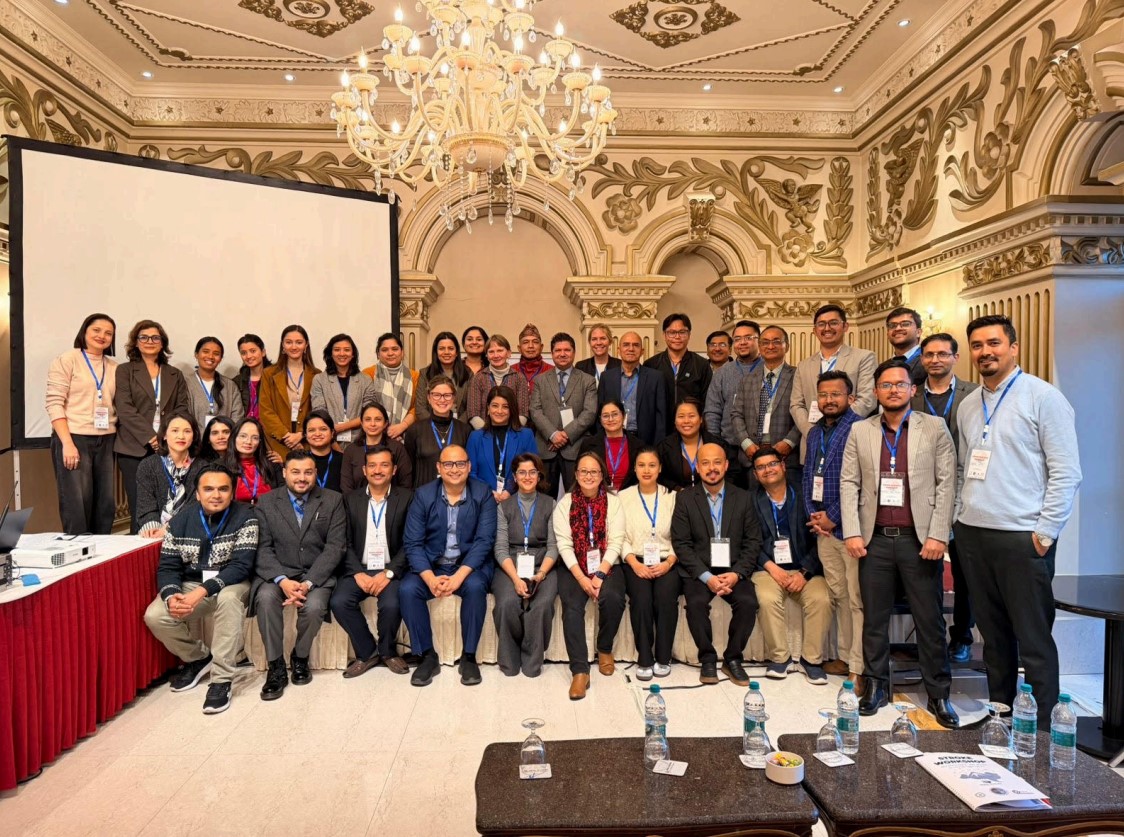
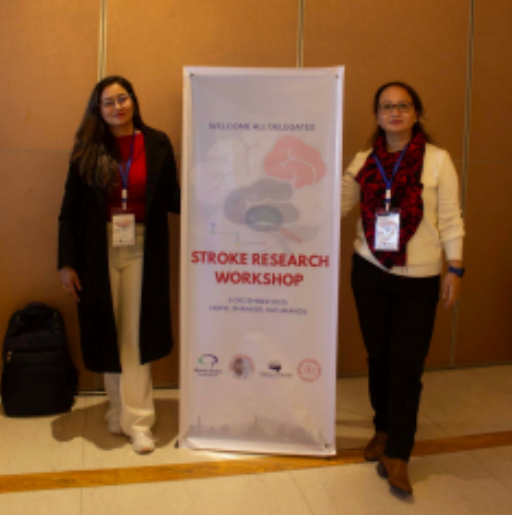
December 5, 2025 in Hotel Shanker, Kathmandu
Executive Summary
The Nepal Stroke Research Workshop convened about 64 multidisciplinary experts to advance stroke research in Nepal. Morning sessions mapped global and low- and middle-income country (LMIC) strategies from the World Stroke Organization (WSO), Nepal Stroke Project (NSP), Gurkha Welfare Trust (GWT), Nepal Health Research Council (NHRC) and PHASE Nepal. Afternoon breakout groups produced four actionable research proposals, with one receiving 25,000 NPR seed funding – demonstrating strong momentum for collaborative, LMIC‑tailored stroke research.
This workshop was jointly supported by the Nepal Stroke Project (NSP) and the University of Edinburgh, UK, as part of their ongoing collaboration to strengthen stroke research and care in Nepal.
Workshop Objectives
● Network Nepali and international stroke experts (clinicians, researchers, non-governmental organizations (NGOs))
● Map ongoing initiatives and LMIC‑specific evidence gaps (surveillance, prehospital, acute and rehabilitation care)
● Generate fundable research proposals leveraging local resources for policy impact
Morning Session
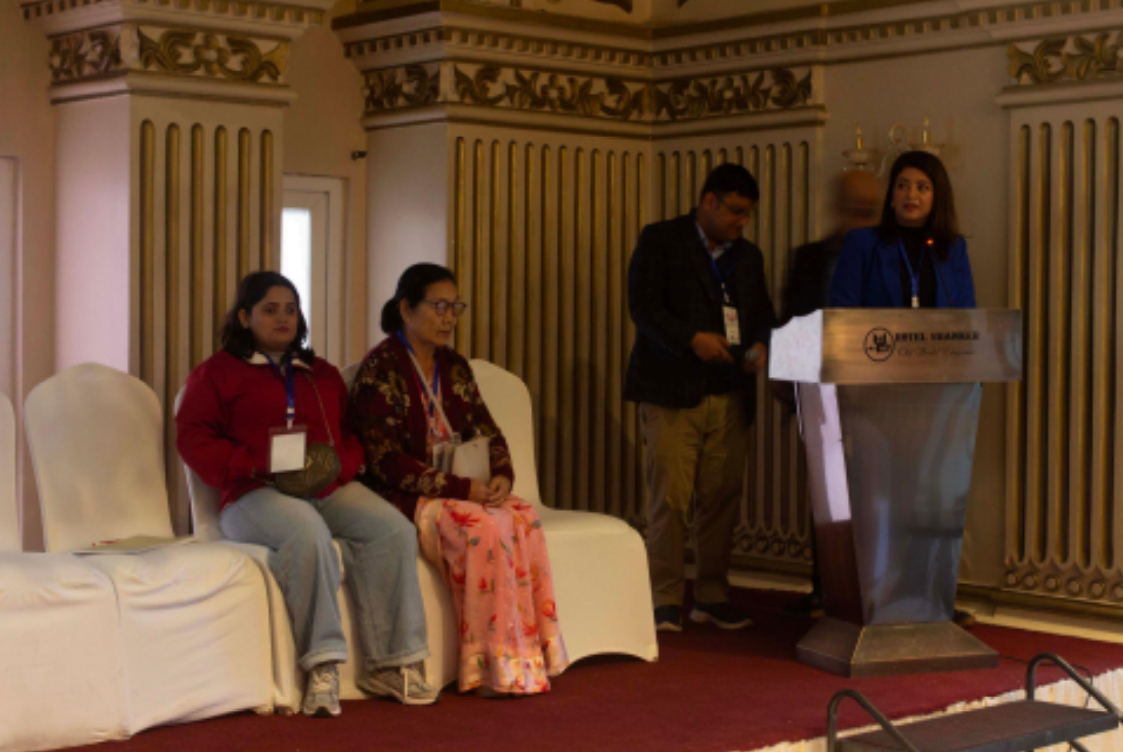
First and foremost, heartfelt thanks to Prof. Gillian Mead, the main organizer of the event, who unfortunately could not attend, because of an acute illness and to Dr. Abhishek Man Shrestha, who graciously served as the Master of Ceremonies (EMCEE) for the entire session.
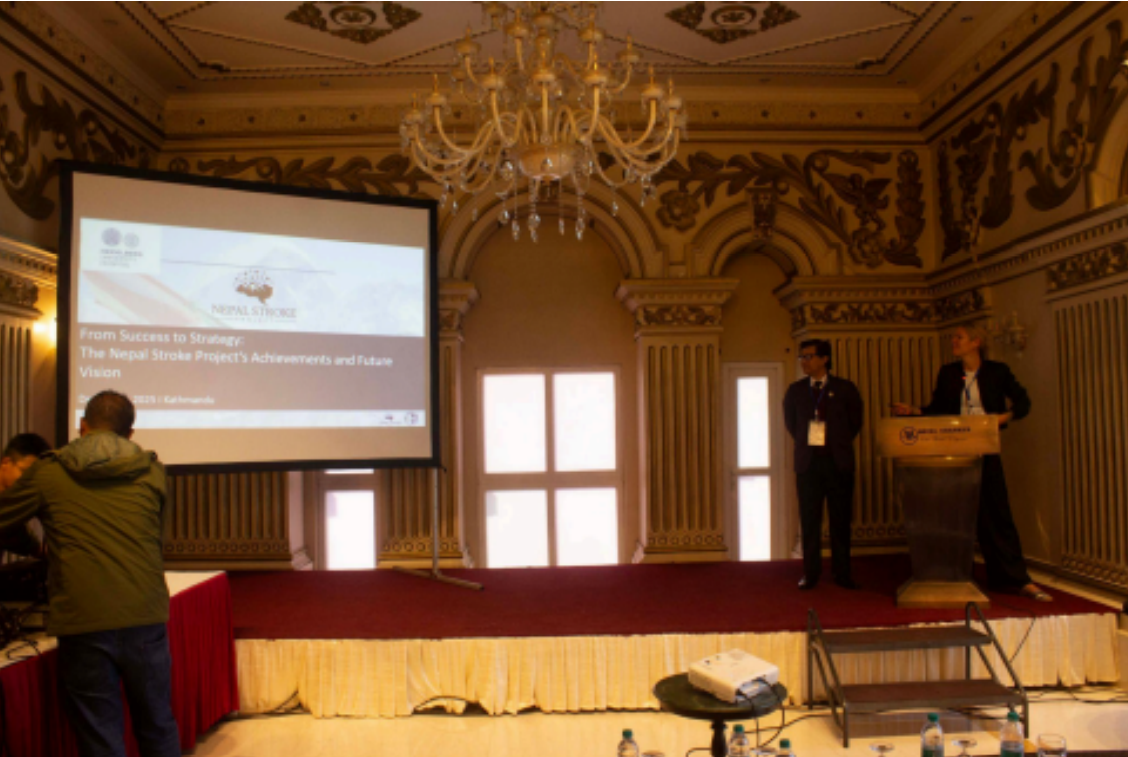
Dr. Raju Paudel delivered the welcome speech, highlighting the importance of advancing stroke research in Nepal and emphasizing the need for collaborative efforts. He underscored how working together across all areas of stroke care both pre- and post-stroke can significantly strengthen stroke research and ultimately improve patient outcomes.
Aims: Network colleagues, map ongoing work, generate new research ideas across awareness, prevention, acute/long-term care.
Morning Presentations
WSO Strategies to Reduce Global Stroke Burden (Prof. Jeyaraj Pandian, President of the World Stroke Organization), presented a global burden map and worldwide incidence data. He outlined the four pillars of stroke care (prevention, acute care, rehabilitation and policy) and WSO strategies, and highlighted non‑specialist physician models that reduce complications and length of hospital stay. He introduced the Enigma stroke app for training, the NSP/Hub model (including the Puja Stroke Project in India), the THRIVE project, and the WSO stroke center certification programme (over 130 centers in 19 countries), as well as the World Health Organization (WHO) model trainings (e.g. Manila, Iraq, Nepal, Tunisia) and the upcoming WSO assembly in Geneva with a United Nations General Assembly (UNGA) side‑event.
Nepal Stroke Association Progress (Dr. Christine Tunkl/ Dr. Lekhjung Thapa): Presentation on the progress of the Nepal Stroke Association (NSA) and NSP. They described a five‑year evolution from virtually no structured stroke care before 2016 to the emergence of NSP out of heart patient advocacy, followed by GIZ (Gesellschaft für Internationale Zusammenarbeit), Ministry of Health and Population and WSO “Rescue” funding (2020–2021). They reported on nationwide trainings and awareness activities since 2022, a project management workshops and HISS 2025 (a two‑day conference with around 500 participants and 45 sessions). A major achievement was the publication of a government‑endorsed national stroke treatment protocol this year.
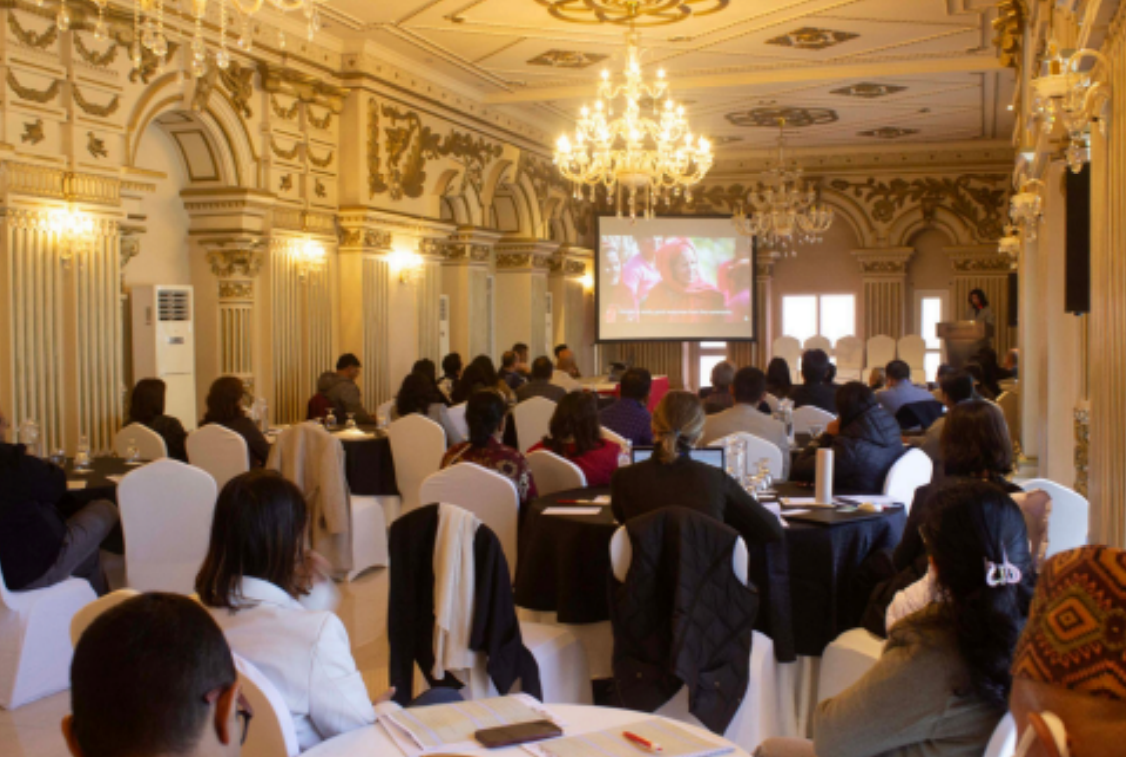
Experiencing Stroke: Survivor's Perspective: Several stroke survivors were introduced and their cases and post-stroke-experiences shortly presented, leading up to an in-person interview with a stroke survivor from the Kathmandu region and her family, who started being her caregiver after the stroke. They described how the symptoms started and their way to the hospital. Furthermore, the challenges after discharge were discussed, including follow-ups, rehabilitation and life with disabilities, highlighting not just the struggles for the patient, but also their caregivers.
Palliative Care (Dr. Amrita): Sunita video
(https://www.youtube.com/watch?v=znnGKWgqUh0&t=2s) of pallative patient Sunita and her caregiver (her husband)
Introduced post-stroke family-inclusive model; SPICT-LIS screening tool for LMICs (general indicators: declining performance >50% bedbound/repeated admissions; stroke-specific: progressive deterioration, swallowing/speech issues, aspiration pneumonia); emphasized early palliative-enhanced care humanizing patients/families/communities including spiritual leaders.
Gurkha Welfare Trust: Long-term Stroke Survivor Needs (Dr. Gerda Pohl): UK charity (est. 1969) supports 5,800+ ex-Gurkhas/widows with pensions, medical clinics/residential homes/camps, home-based rehab, carer training, home adaptations; identified rural-urban gaps, acute care underutilization, research opportunities (awareness, rehab feasibility, access/follow-up, psychological needs).
Need for Stroke Research in LMICs (Dr. Raju): Called for Nepal-specific data on surveillance/prevention, prehospital care, acute care, rehabilitation, complications; cited national stroke protocol as research-to-policy success example.
Learning from Global NCD Initiatives (Dr. Biraj Karmacharya): Highlighted Dhulikhel Heart Study (2013) as successful Nepal NCD data collection model informing local research priorities.
Stroke Research: From Idea to Impact (Drs. Christine Tunkl/Khechar Paudel): Explained process indicators (resource utilization) vs. outcome indicators (patient improvement) for standardization/comparability using accessible questionnaires.
PHASE Nepal Research Expertise (Dr. Jiban Karki): NGO (est. 2006) delivers health/education/livelihood services in 6 remote Himalayan districts; research wing (since 2017) focuses NCDs/spinal injury/public health with policy impact (Every Newborn Action Plan); limited stroke activities via staff trainings (Dr. Gerda Pohl).
Lunch break
Afternoon Breakout Sessions: Funded Innovation
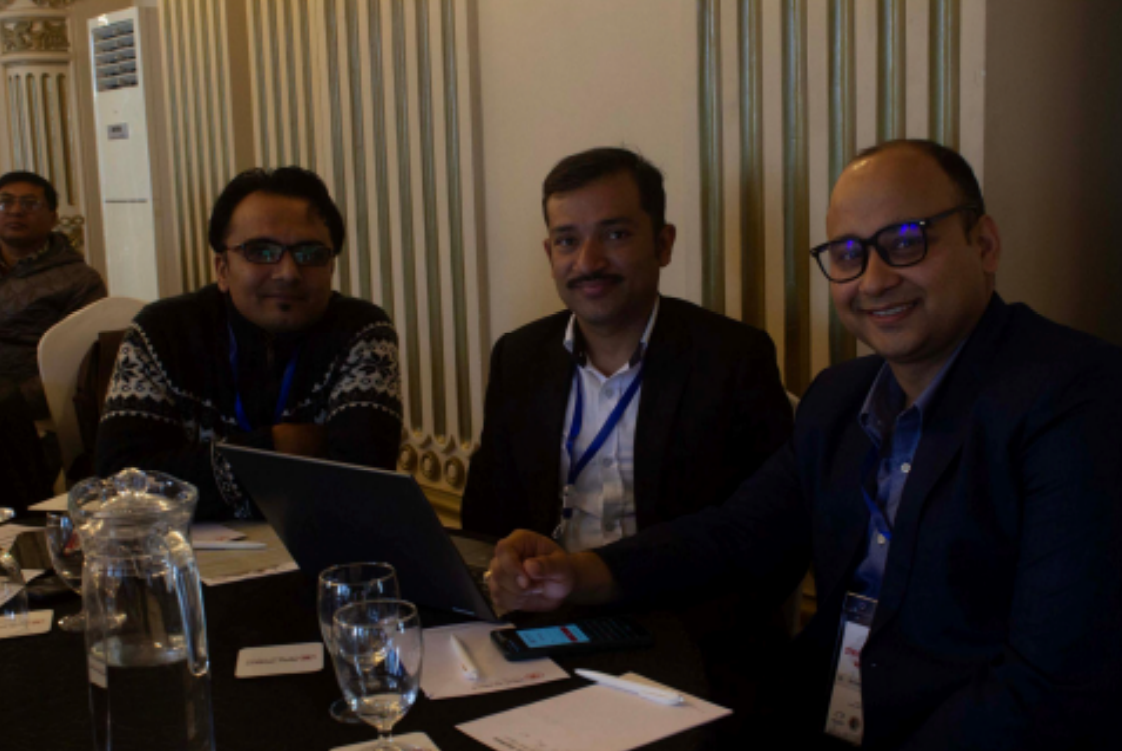
Format: Four randomly assigned groups had 45 minutes to develope research proposals on assigned topics (awareness, acute care, lifestyle, caregiver burden). Winner receives 25,000 NPR funding (first half post-proposal, second after execution). The criteria were relevant/feasible, innovative, ... Exceptional discussions showed strong enthusiasm for joint projects.
Detailed Group Presentations:
Group 1: Public Awareness (Gerda Pohl) – "Identifying an Effective Strategy to Raise Awareness of Stroke Symptoms in Nepal" (Radio vs. posters for Nepali BE-FAST; awareness vs. behavior outcomes
Group 2: Acute Care – "Stroke Unit vs. Non-Stroke Unit care in Nepal (SUCCEED Nepal)" (prospective multicentre observational; mortality/mRS)
Group 3: Lifestyle Modification – "Does lifestyle modification reduce recurrent stroke risk?" (Manipal Hospital cohort; adherence/follow-up challenges)
Group 4: Caregiver Burden (WINNER) – "Burdens experienced by primary caregivers of stroke survivors" (qualitative interviews/FGDs ≥6 months experience) – 25,000 NPR awarded
Overall Group Work Assessment: Very high-quality discussions addressing relevant aspects; palpable desire for collaborative research projects.
Afternoon Presentations on Potential Trials in Nepal
Following the breakout sessions, three additional presentations explored promising clinical trials for Nepal: ACT GLOBAL (Dr. Nishita Singh) on acute stroke interventions, I-CATCHER (Dr. Xia Wang) focusing on innovative stroke management, and Community BP Management for Stroke Prevention (Dr. Bishnu Marasaini), highlighting blood pressure control strategies to reduce stroke incidence in LMIC settings.
Research Workshop Outcomes and Summary
Extremely positive day with exceptional networking across disciplines, comprehensive mapping of Nepal's stroke research landscape, and tangible outputs through four innovative proposals – capped by Group 4's funded caregiver burden study. The results of 4
the study are to be presented at the next Stroke Research Workshop in 2026. Strong enthusiasm for joint projects emerged, positioning Nepal for LMIC-leading stroke research; next steps include proposal implementation, another stroke research workshop for 2026, and sustained collaboration among WSO/NSP/GWT/PHASE/NHRC partners.
Acknowledgements
Special thanks to Dr. Rachana Nakarmi, without whose management of major organizational aspects this event would not have been possible. Sincere gratitude also to Dr. Lekhjung Thapa, Dr. Raju Paudel, Dr. Christine Tunkl , Ms. Harriet Koch and Ms. Nooma Sharma for their constant positive input and strong support throughout.
Thanks to the Hotel Shanker for their excellent service.
And finally a big thank you to all participants, whose engagement through thoughtful questions and high-value contributions made this workshop as productive and inspiring as it turned out to be!
- Calling All Future Stroke Leaders
- Words from the President on stroke care during the COVID19 pandemic
- World Stroke Academy content is NOW available free online to all
- Global Stroke Leaders Launch Radical Prevention Strategy
- The Global Impact of COVID-19 on Stroke - the latest results from the survey from Prof. Marc Fischer, WSO President-Elect
- Reduced rates for your attendance at ESO-WSO 2020
- Get ready to Join the MoveMent!
- Global Stroke Leaders Launch Radical Prevention Strategy
- World Stroke Day 2020 News Release
- No Time for Silence on Stroke Prevention
- WSO Brain and Heart Week
- The latest World Stroke Academy news
- Accuracy in BP Measurement and Effective Hypertension Control Promoted on World Hypertension Day
- The 74th World Health Assembly - 24-31 May
- The state of stroke services across the globe: report of World Stroke Organization
- WHO releases priority list of medical devices and interventions for stroke
- World Stroke Day Campaign website and toolkit LIVE
- WSO welcomes WHO recommendations on management of hypertension
- The World Stroke Academy newly branded website is live!
- 5 ways you can support the #Precioustime campaign on World Stroke Day
- GCCH Position Paper “Preventing the next pandemic: The case for investing in circulatory health”
- Global survey reveals only 35% hospitals worldwide provide life-saving stroke treatment
- How to save $1 trillion
- WSO Global Stroke Fact Sheet 2022
- World Stroke Campaign Award Shortlist Announced
- ICD-11 is now officially in effect
- World Stroke Organization’s statement on Ukraine
- WSO Annual Report for 2021
- Get Ready for World Stroke Day 2022 - The Power of Saving #Precioustime
- WHO Strategic Technical Advisory Group meeting on Global Noncommunicable diseases action plan 2013-2030
- WSO Calls for changes in primary prevention guidelines for cardiovascular disease and stroke
- WSO Future Stroke Leaders Programme - Cohort 2 Announcement
- Building Momentum around Implementation of Quality Stroke Care – update from the WSO Rede Brasil AVC Global Stroke Alliance Meeting, Sao Paulo
- World Stroke Day 2022 Raising public awareness of stroke signs and the importance of #Precioustime
- Countdown to World Stroke Day- key actions for members and partners!
- WSO is announcing the results from the Officers elections 2022
- World Stroke Organization Tackle Gaps in Access to Quality Stroke Care
- WSC 2022: One Voice for Stroke
- World Stroke Day #Precioustime Campaign Evaluation
- In memoriam of Dr. Ralph L. Sacco
- WHO Executive Board (EB 152)
- RES-Q + Using digitization and artificial intelligence to improve healthcare
- Be the storyteller of 2023. Submit your abstract at WSC 2023!
- Summary of systematic review and synthesis of global stroke guidelines on behalf of WSO
- World Health Assembly (WHA76)
- World Stroke Day 2023 - Together we are #GreaterThan Stroke
- THE ROAD TO UHC: WHY INTEGRATION OF CIRCULATORY HEALTH INTERVENTIONS IN PRIMARY CARE IS ESSENTIAL
- Global Declaration on Stroke
- NEW World Stroke Campaign Website goes LIVE!
- Global Declaration on Stroke Commitment Launch: New Delhi, India – September 8th, 2023
- TOGETHER WE CAN BE #GreaterThan STROKE!
- The Global Stroke Community Reunited for the WSC 2023
- Join the Future Stroke Leaders Success Journey – Cohort 3 Applications Open
- The RES-Q platform has officially launched!
- New Trial Expands Window For Stroke Thrombectomy With Simpler Imaging
- Now available: WSA Big Data & Stoke e-Learning module
- World Stroke Day 2024
- World Stroke Campaign Award 2023 Winners
- United in Action to Transform Stroke Care
- WSC 2024 Early Bird Registration Deadline Approaching!
- WSO and SingHealth Sign MoU to Enhance Regional Stroke Management and Care in Collaboration with Angels Initiative
- Stroke Action Now - join the WSO global advocacy coalition
- Time for a Revolution in Stroke Care - Acute Care Policy Brief Launch
- Prioritizing access to quality acute stroke care - the time to act is now!
- World Stroke Organization Launches Global Coalition to Drive Action on Stroke Care
- Highlights from the Global Stroke Alliance meeting in Bogota, Colombia – 20-22 November 2024
- United in Action for #StrokeActionNow - Update from the Global Stroke Action Coalition
- The Global Stroke Action Coalition issues an urgent call to action
- World Stroke Organization at the UN High-Level Meeting on NCDs
- Homepage
- Vision and strategy
- Board and Executive Committee
- Privacy policy
- Terms of use
- SEO sitemap
- Global Stroke Corner
- Words from the President: LOOKING AHEAD
- WSO Publishes Global Stroke Fact Sheet
- WSO Call for Editor-in-Chief of IJS
- WSO Membership - Call for Dues 2019
- ESO-WSO Conference 2020
- XXII Ibero-American Stroke Organization Congress
- Asia Pacific Stroke Conference 2019
- European Master in Stroke Medicine - Feedback from WSO scholarships recipients
- Philippine Nationwide Stroke Training, 2018
- Advances in neuroscience & new strategies for preventing & treating brain diseases, November 2018, Moscow
- International conference on essentials of stroke care, November 2018, India
- Education Committee Update
- SSO Committee March 2019
- Stroke Guidelines & Quality Committee Update
- WSO Research Committee Update
- WSO and Global Policy – Key Events in 2019
- Report of WHO Global Forum on Medical Devices
- Report from the WHO’s Executive Board in Geneva January 24th to February 1st, 2019
- WSO President and Romanian Health Minister sign a Memorandum of Understanding
- First Stroke Summer School in Latin America
- Stroke Thrombolysis Master Class-2018: A Report
- Welcome to New Members
- Heart and Stroke Foundation of Canada Publishes a New Report
- On the International Women’s Day, March 8, WSO celebrated women in stroke!
Our partners and sponsors
 Platinum Plus
 Platinum Plus
 Bronze
 Gold
Gold
 Silver
 Silver
 Bronze
 Bronze
 Corporate Supporters
 Bronze
 Silver